
Find the Right Market Report
Search thousands of industry reports, market insights, and research studies in one place.
Search thousands of industry reports, market insights, and research studies in one place.
The U.S. AI-enabled ophthalmic diagnostic devices market size was estimated at USD 83.5 million in 2025 and is predicted to increase from USD 113.23 million in 2026 to approximately USD 1755.03 million by 2035, expanding at a CAGR of 35.6% from 2026 to 2035. Her analysis highlights that the U.S. AI-enabled ophthalmic diagnostic devices market is rapidly expanding, due to increasing incidences of diabetic retinopathy, glaucoma, age related macular degeneration, along with expanding AI screening platforms and FDA approvals, where key industry players like Digital Diagnostics Inc., Eyenuk, Inc., AEYE Health, CDC Vision and Eye Health Surveillance System (VEHSS), National Eye Institute (NEI) are also promoting the market expansion.
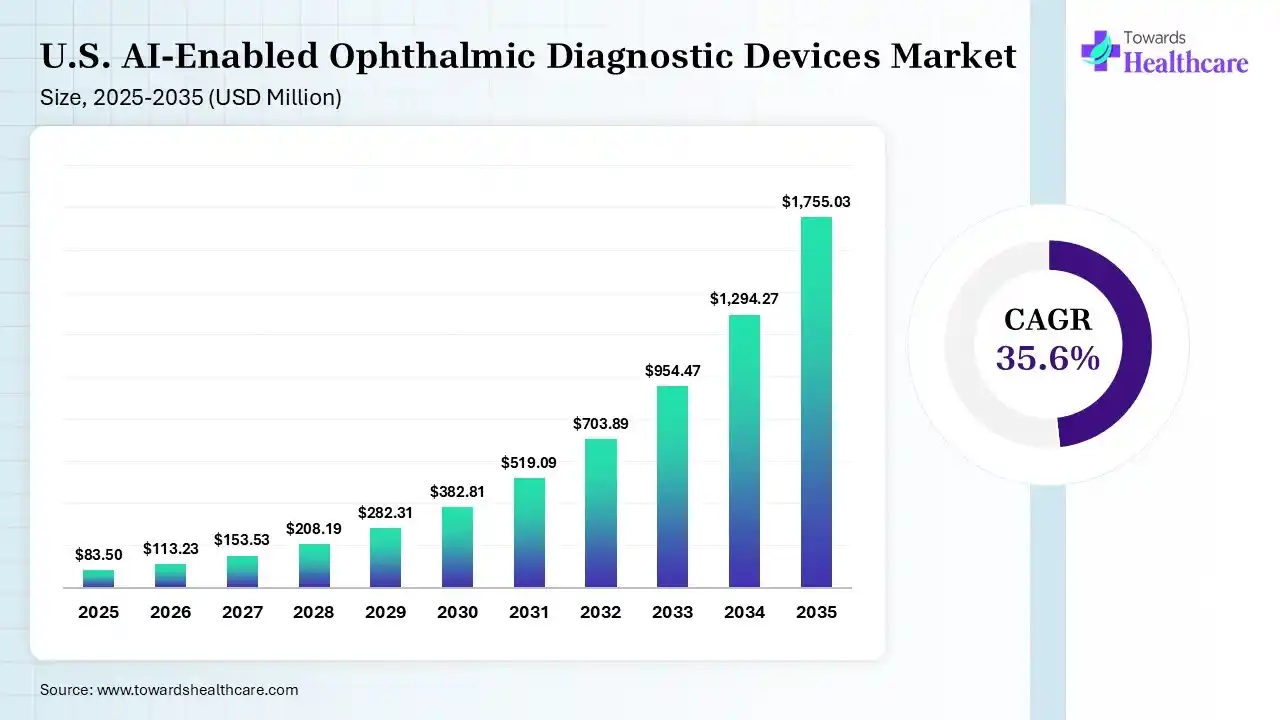
The U.S. AI-enabled ophthalmic diagnostic devices refers to medical devices integrated with AI technology to detect eye diseases and analyze eye images. They are also being used for remote eye care, disease progression monitoring, and clinical decision support. This drives their use for the diagnosis of diabetic retinopathy (DR), glaucoma, age-related macular degeneration, along with other retinal diseases.
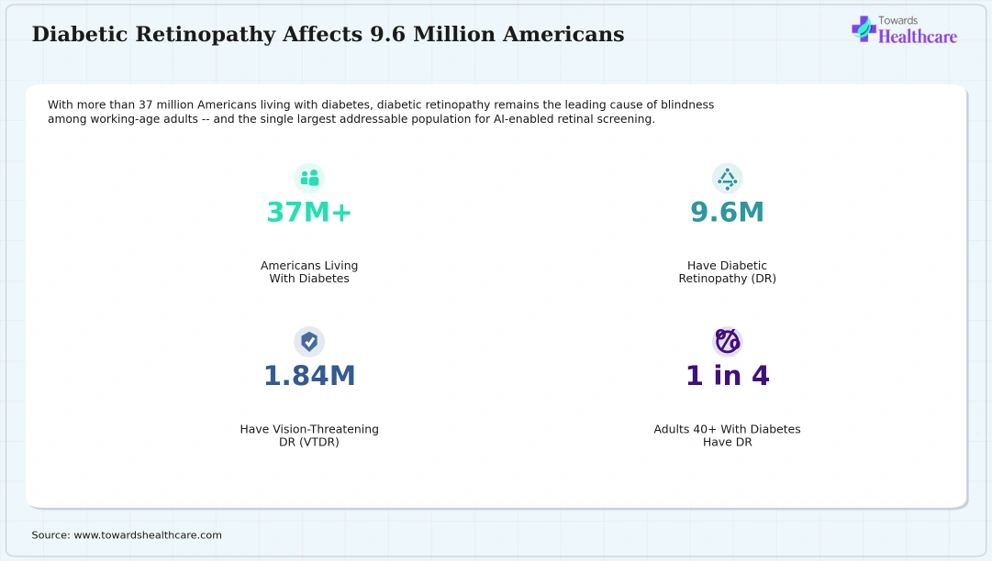
Graph 1: As the market research analyst, I interpret that the infographic stat panel highlights the growing incidence of diabetic retinopathy in America due to growth in diabetes burden. It outlines that the total number of Americans living with diabetes was recorded to be more than 37 million, where Americans with diabetic retinopathy (DR) were noted to be 9.6 million, which held 26.43% of the diabetic population. Americans with vision-threatening DR (VTDR) were reported to be 1.84 million, resulting in 5.06% of the diabetic population, while adults more than 40 with diabetes who have DR contributed to approximately 1 in 4.
Key Insight:
With the growing number of diabetes cases, diabetic retinopathy remains the leading cause of blindness among working-age adults and the most clinically validated addressable driver for AI-enabled fundus cameras and autonomous screening systems in U.S. ophthalmic diagnostics.
Source: Lundeen EA, et al., “Prevalence of Diabetic Retinopathy in the U.S. in 2021,” JAMA Ophthalmology, June 2023; CDC Vision and Eye Health Surveillance System
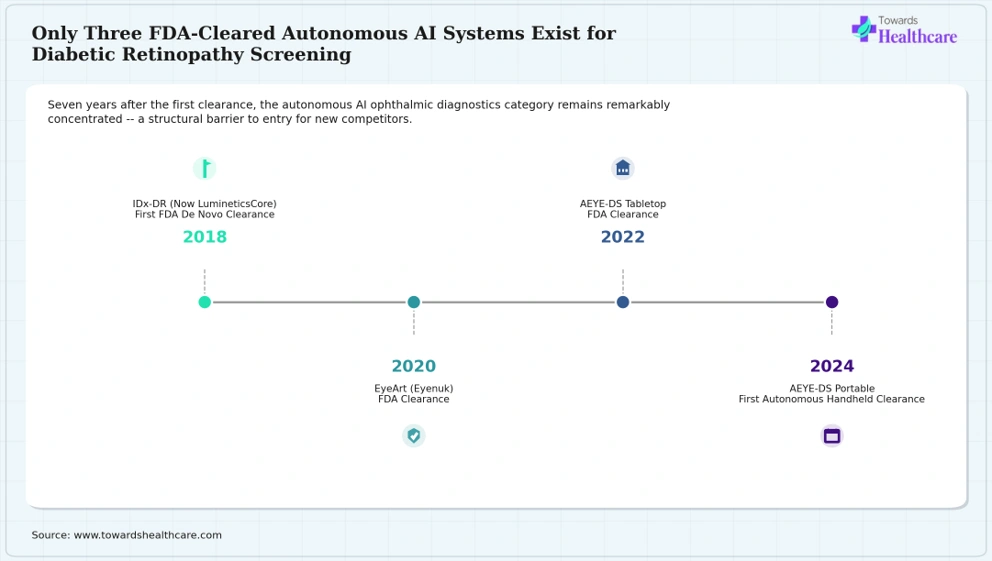
Graph 2: The above-mentioned timeline infographic represents FDA clearances for autonomous AI systems for diabetic retinopathy screening. IDx-DR (now LumineticsCore) received the first-ever FDA De Novo authorization for autonomous AI diagnosis in any medical specialty, achieving a new milestone in 2018, followed by FDA clearance for EyeArt (Eyenuk) for autonomous detection of more-than-mild and vision-threatening DR in 2020. 2022, FDA clearance was also registered for a tabletop autonomous AI system, which is AEYE Diagnostic Screening (AEYE-DS), which, in 2024, AEYE-DS achieved a new landmark by being revealed as the first fully autonomous AI-cleared portable and handheld retinal camera.
Key Insight:
The autonomous AI ophthalmic diagnostics category remains remarkably concentrated even after their seven years since the first clearance, creating opportunities for new entrants and autonomous diagnostic devices.
Source: Ophthalmology Science, “Autonomous Artificial Intelligence in Diabetic Retinopathy Testing,” Sept. 2025; Optometry Times, Nov. 2024
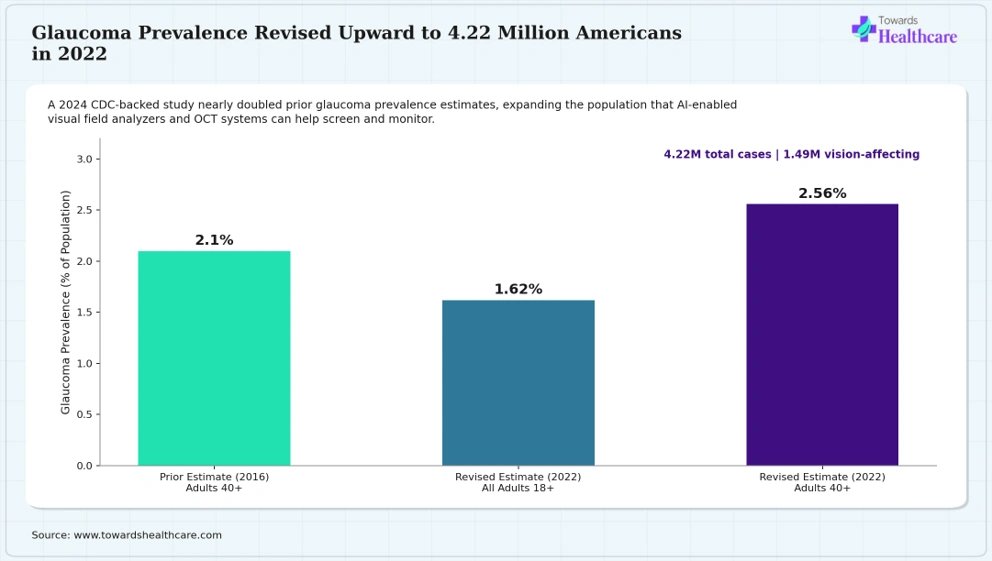
Graph 3: The bar chart highlights the rising incidence of glaucoma due to an increasing population and health awareness. This growing burden increases the demand for AI-enabled visual field analyzers and OCT systems to help screen and monitor patients. A prior estimate in 2016 recorded a 2.1% prevalence rate for adults over 40. The revised estimate in 2022 for all adults more than 18 years was noted to be 1.62%, accounting for 4.22 million people, while the revised estimate in the same year for all adults over 40 was reported to be 2.56%. Vision-affecting glaucoma in adults over 18 years was considered to be 0.57%, which contributed to 1.49 million people.
Key Insight:
The growing number of glaucoma cases, which were estimated with the use of Global Burden of Disease Study methodology for the first time, acts as one of the major drivers encouraging AI-enabled visual field analyzer and OCT vendors.
Source: Institute for Health Metrics and Evaluation / NORC, “Prevalence of Glaucoma Among U.S. Adults in 2022,” JAMA Ophthalmology, Oct. 2024
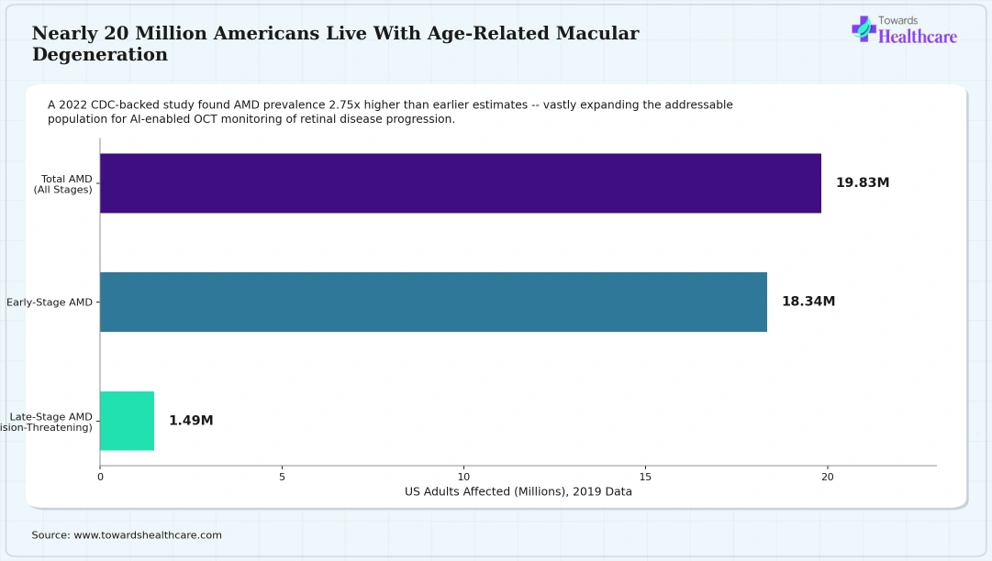
Graph 4: Based on the information I gathered, the horizontal bar chart covers increasing age-related macular degeneration prevalence by disease stage, which drives the demand for AI-enabled OCT monitoring of retinal disease progression. In 2019, the U.S. adults affected with early-stage AMD were reported to be 18.34 million, while late-stage AMD leading to vision-threatening conditions accounted for 1.49 million U.S. adults. Thus, the total number of U.S. adults affected with AMD at all stages was recorded to be 19.83 million.
Key Insight:
The growth in AMD prevalence, with a 2.75x higher rate than earlier estimates, is increasing the adoption of AI-enabled OCT and OCT angiography systems to detect early drusen-stage changes and address a dramatically larger population than previously modeled.
Source: Rein DB, et al., “Prevalence of Age-Related Macular Degeneration in the U.S. in 2019,” JAMA Ophthalmology, Nov. 2022; CDC Vision Health Initiative
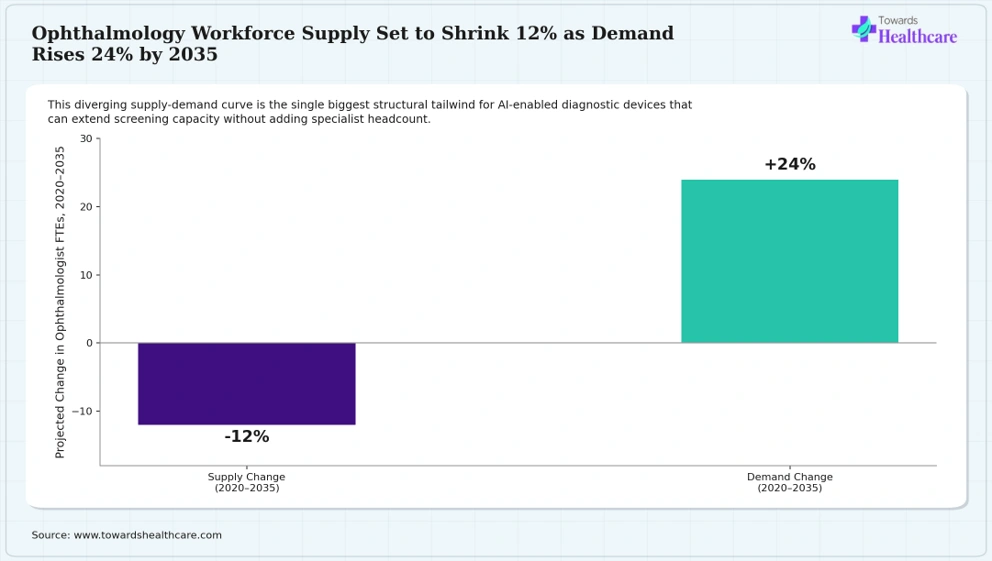
Graph 5: Based on the analysis conducted by Aman, the bar chart compares ophthalmologist supply and demand projected changes for the years 2020-2035. The projected change for total ophthalmologist supply in 2020-2035 is expected to decline by 12%, with a reduction of 2,650 FTE ophthalmologists. On the other hand, the projected change for total ophthalmologist demand is anticipated to increase by 24%, with a rise of 5,150 FTE ophthalmologists. Resulting workforce inadequacy is predicted to be 30%, while ophthalmology's rank among 38 specialties studied by 2035 adequacy will rank the 2nd worst with 70% adequacy. Thus, this diverging supply-demand curve will extend the screening capacity of AI-enabled diagnostic devices, eliminating the need for specialist headcount.
Key Insight:
With ophthalmology projected to have the second-worst workforce adequacy by 2035, the demand for AI-enabled diagnostic devices allowing non-specialists to conduct valid screening exams will increase, addressing the structural physician shortage.
Source: Berkowitz ST, et al., “Ophthalmology Workforce Projections in the United States, 2020 to 2035,” Ophthalmology (AAO journal), 2024
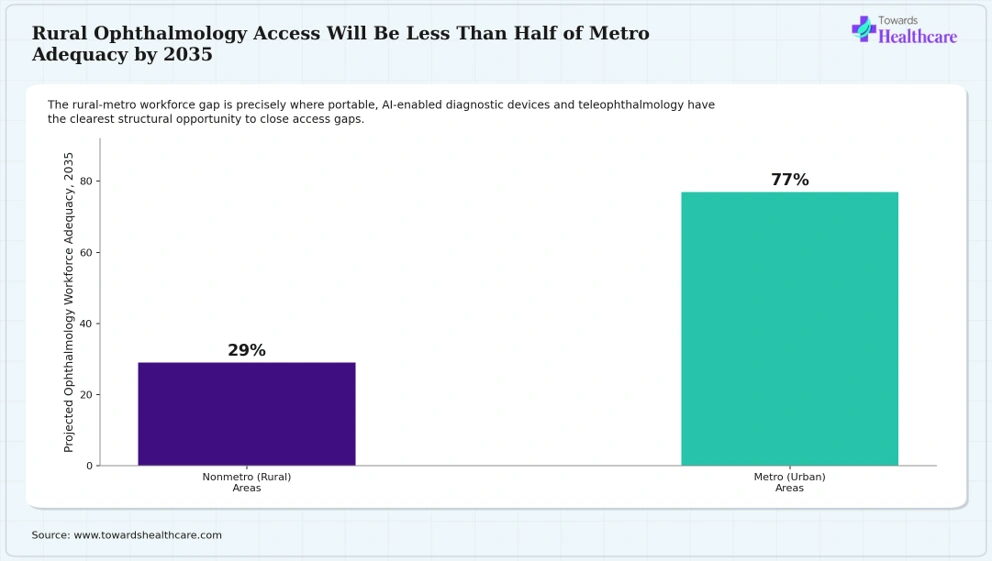
Graph 6: The bar chart illustrates projected ophthalmology workforce adequacy by geography by 2035, indicating a sharp decline in rural ophthalmology access. The projected workforce adequacy by 2035 for nonmetro, that is, rural areas, is anticipated to be 29%, while for metro, that is, urban areas, it is expected to hold at 77%. This rural-metro workforce gap is predicted to fuel the demand and adoption of portable, AI-enabled diagnostic devices and teleophthalmology platforms.
Key Insight:
The adequacy gap between rural and metro areas by 2035 is one of the clearest quantified justifications for portable AI-enabled fundus cameras, handheld screening devices, and teleophthalmology platform adoption to overcome the declining ophthalmology access.
Source: Berkowitz ST, et al., “Ophthalmology Workforce Projections in the United States, 2020 to 2035,” Ophthalmology (AAO journal), 2024
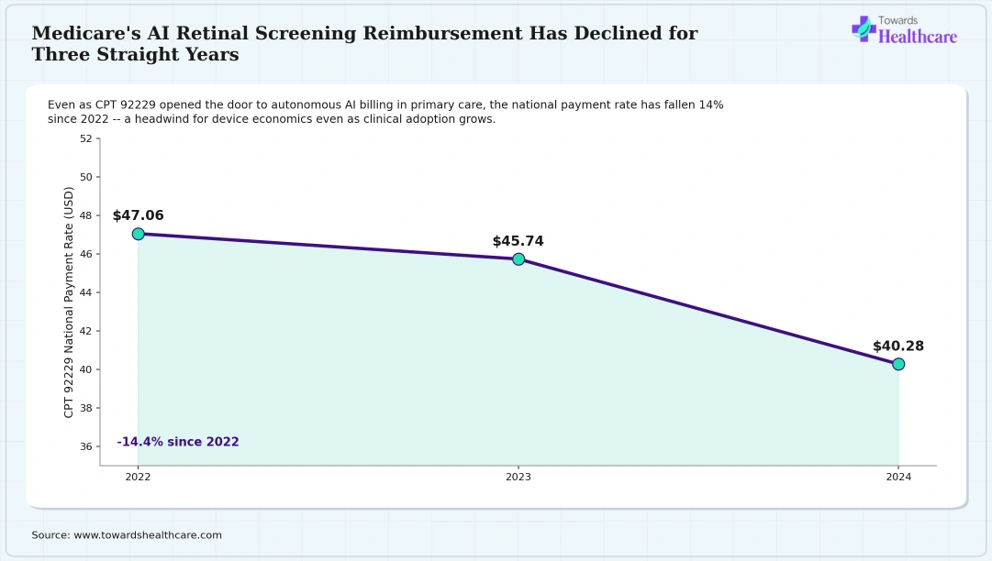
Graph 7: As the market research analyst, I interpret that the line chart represents the CPT 92229 national Medicare payment rate from 2022 to 2024, which reflects a decline in Medicare's AI reimbursement. In the year 2022, the CPT 92229 national payment rate was noted to be $47.06, while it dropped to $45.74 in 2023. In 2024, the CPT 92229 national payment rate further declined to $40.28.
Key Insight:
The declining CPT 92229 national payment rate reflects that the device economics for primary-care and community screening deployments have gotten harder, even though there is a rise in clinical validation and adoption.
Source: Ophthalmology Science, “Autonomous Artificial Intelligence in Diabetic Retinopathy Testing,” Sept. 2025 (citing CMS Medicare Physician Fee Schedule Look-Up Tool)
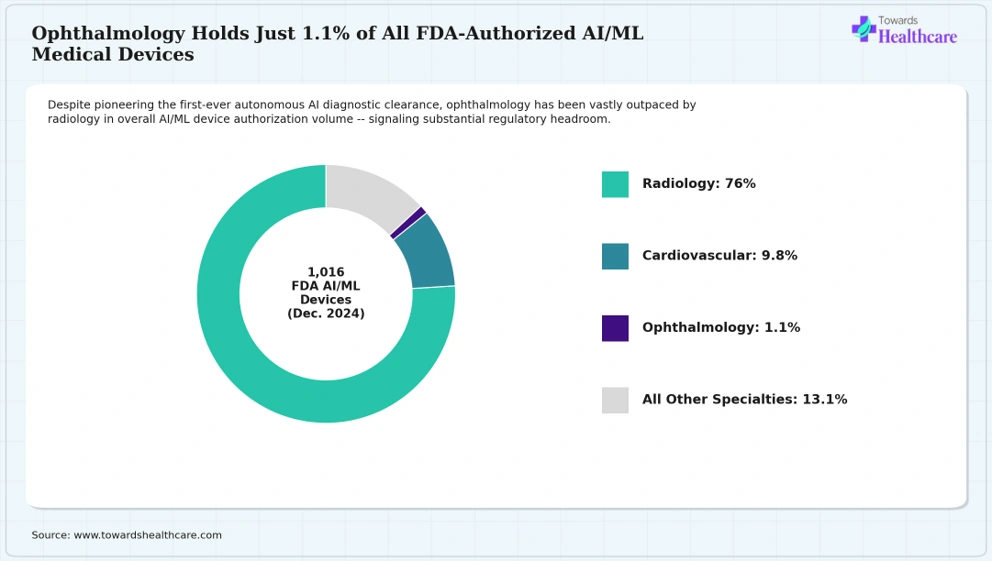
Graph 8: According to the survey conducted, the donut chart highlights FDA-approved AI/ML-enabled medical devices in different medical specialties. Radiology held a 76% share of FDA-approved AI/ML-enabled medical devices as of 2024, which contributed 769 out of 1,016 devices. All other specialties, including neurology, hematology, GI/urology, anesthesiology, etc., held the second-largest share of 13.1%, which was followed by cardiovascular medicine with 9.8%, contributing to 99 devices. Lastly, Ophthalmology held 1.1% with the approval of 11 devices, signaling substantial regulatory headroom.
Key Insight:
The slow growth of ophthalmology's FDA AI/ML device authorizations compared to radiology is propelling commercial opportunities for new device categories beyond diabetic retinopathy screening.
Source: npj Digital Medicine, “Evaluating transparency in AI/ML model characteristics for FDA-reviewed medical devices,” 2025 (data as of Dec. 20, 2024)
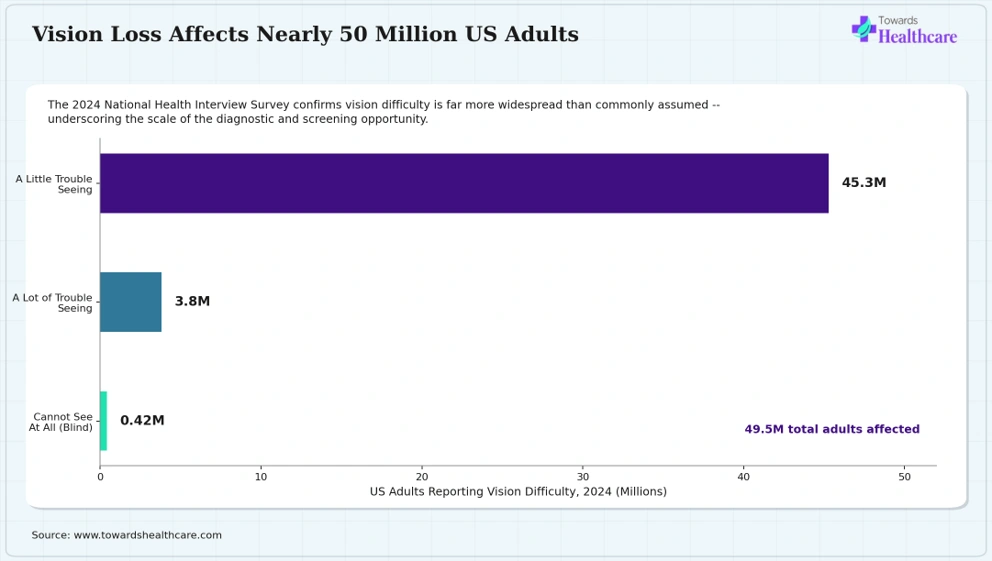
Graph 9: The above-mentioned horizontal bar chart covers U.S. adults by severity of reported vision difficulty in 2024. U.S. adults reported to experience a little trouble with vision contributed 45.3 million, whereas adults with a lot of trouble seeing were recorded as 3.8 million, while adults unable to see at all (blind) were noted to be 420,000. Thus, the total number of adults reporting any vision difficulty in 2024 was reported to be 49.5 million, which increased the early diagnostic rates and adoption of advanced screening platforms.
Key Insight:
With the growing degree of vision difficulty among U.S. adults, the diagnostic screening opportunity for AI-enabled devices is expanding beyond the growing disease burden of DR, AMD, and glaucoma
Source: American Foundation for the Blind, “Facts and Figures on Adults with Vision Loss from the NHIS,” 2024 National Health Interview Survey data
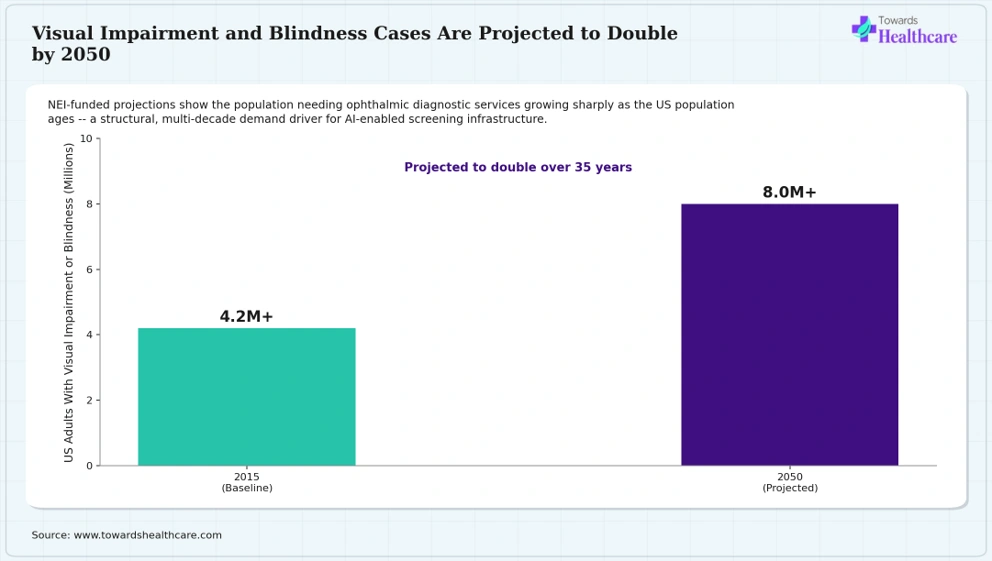
Graph 10: The bar chart estimates the U.S. visual impairment/blindness population in the year 2050. In 2015, U.S. adults with visual impairment or blindness were recorded as approximately 4.2 million, which is predicted to increase to more than 8 million in 2050, increasing the demand for ophthalmic diagnostic services and ultimately propelling the adoption of AI-enabled ophthalmic diagnostic devices.
Key Insight:
Based on the NEI-funded projections, the visually impaired and blind population in the U.S. is anticipated to double by 2050 due to the aging Baby Boomer cohort, which promotes the expansion of AI-enabled screening capacity.
Source: National Eye Institute, “Visual Impairment, Blindness Cases in U.S. Expected to Double by 2050,” NIH-funded study (Varma R, et al., JAMA Ophthalmology)
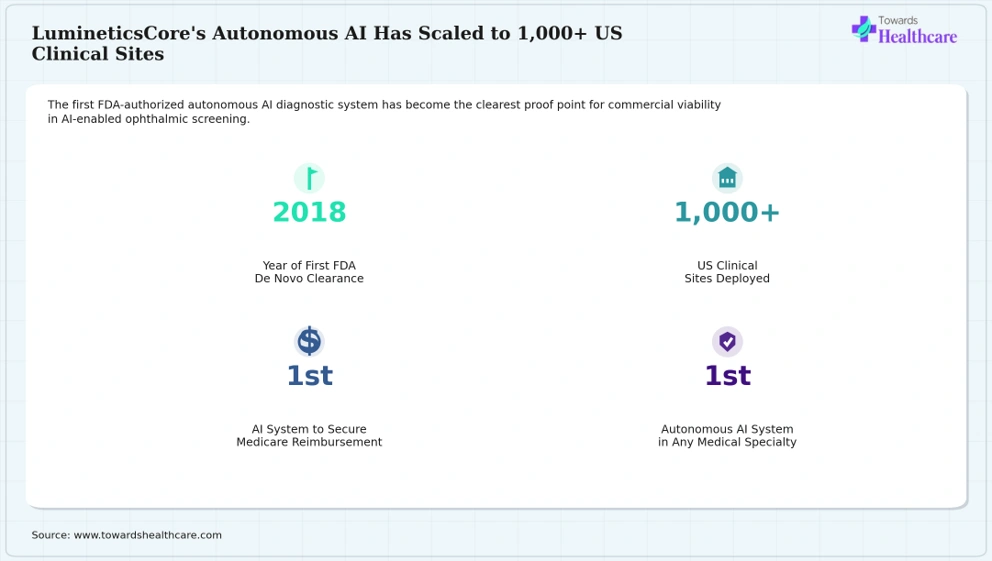
Graph 11: The infographic stat panel illustrates the rise in autonomous AI device of LumineticsCore across U.S. clinical sites. Its growing use offers the clearest proof of commercial viability in AI-enabled ophthalmic screening. 2018 was recorded as the year of the first FDA De Novo clearance, where the U.S. clinical sites deployed accounted for more than 1000 including academic health systems and community health organizations. It received regulatory distinction as the first autonomous AI diagnostic system in any medical specialty, while its reimbursement distinction made it the first AI system to secure Medicare and Medicaid reimbursement.
Key Insight:
The growing LumineticsCore's deployment beyond 1,000 sites, such as Stanford Medicine, Johns Hopkins Health System, and LabCorp, indicates autonomous AI ophthalmic screening has moved into durable, multi-site commercial infrastructure over its seven years on the market.
Source: Ophthalmology Science, “Autonomous Artificial Intelligence in Diabetic Retinopathy Testing—Lessons Learned on Successful Health System Adoption,” Sept. 2025
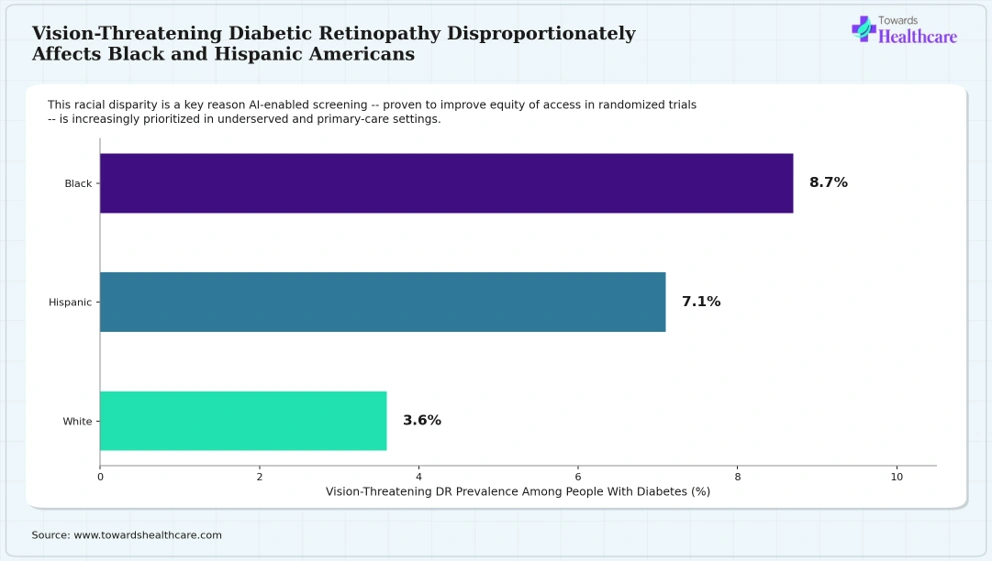
Graph 12: The horizontal bar chart represents vision-threatening diabetic retinopathy (VTDR) prevalence by race/ethnicity. The VTDR prevalence among Black individuals with diabetes held the largest share of 8.7%, while Hispanic individuals contributed to the second-largest share of 7.1%. The VTDR prevalence among White individuals with diabetes was reported to hold a 3.6% share. Their growing incidence among the U.S. population is promoting the use of AI-enabled screening to improve access equity across underserved and primary-care settings.
Key Insight:
The rising VTDR prevalence, with a 2.4x higher rate among Black Americans, is encouraging the use of autonomous AI screening to enhance equity of access and compelling clinical and policy rationale for prioritizing AI-enabled screening deployment in underserved communities.
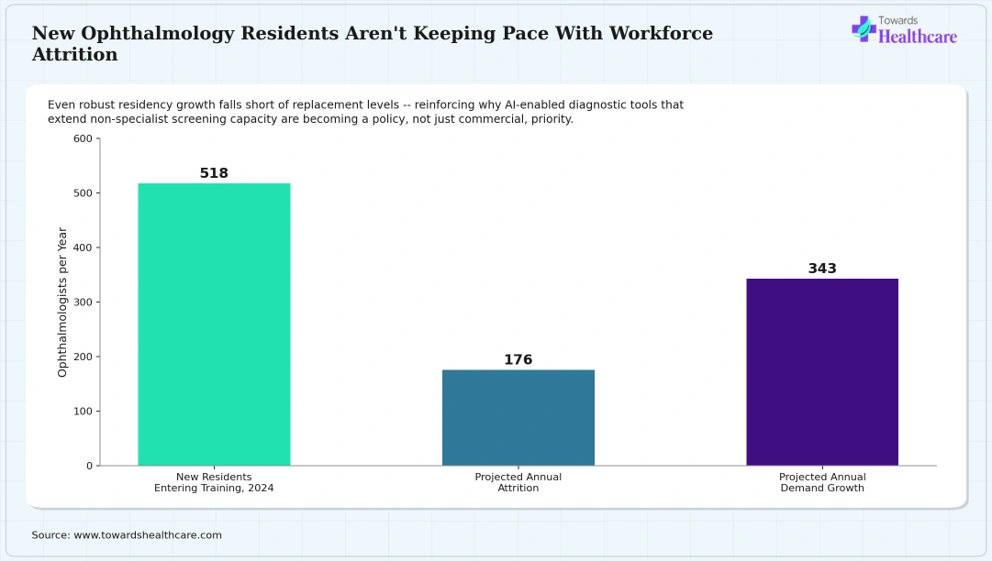
Graph 13: According to the information gathered by Aman, the above-mentioned bar chart highlights a comparison between new residents, projected attrition, and demand growth. The new residents entering ophthalmology training annually in 2024 were reported to be 518. The projected annual attrition, including retirements/exits, covered 176 ophthalmologists/year, while projected annual demand growth was noted to be 343 additional ophthalmologists/year needed. Thus, the growing ophthalmology training entrants, retirements, and demand are reinforcing AI-enabled diagnostic tools adoption.
Key Insight:
Even though there is a rise in new residents, 343 additional ophthalmologists are needed annually to tackle the growing demand, where the lack of AI-enabled diagnostics may create difficulty in overcoming the supply-demand gap within the current training pipeline's timeline.
Source: Glaucoma Today/CRSToday, “The Ophthalmology Workforce the United States Needs,” 2025 (citing SF Match residency statistics and Berkowitz et al. 2024)
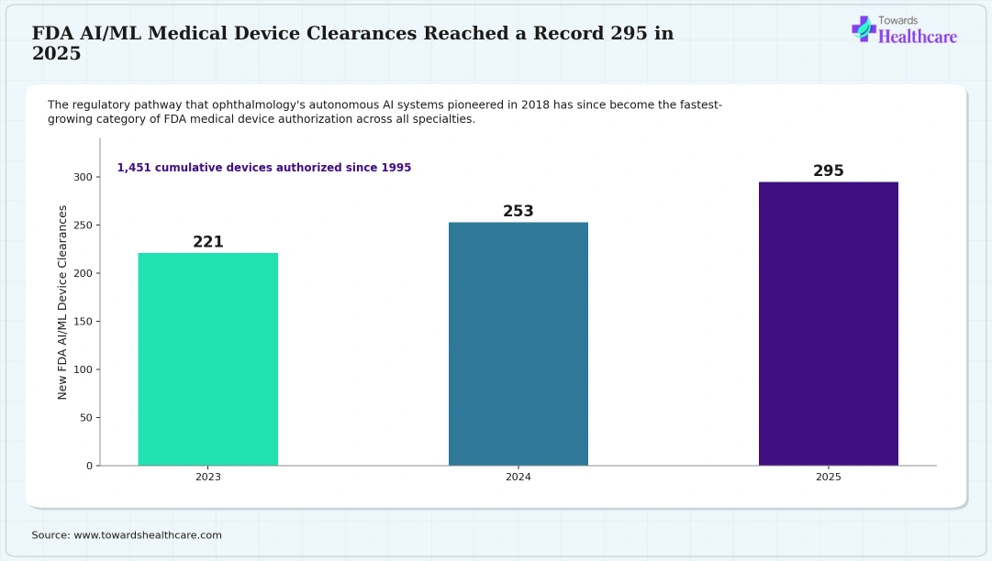
Graph 14: As the market research analyst, I interpret that the given data in the bar chart indicates annual FDA AI/ML medical device clearances from 2023 to 2025, which reflects a gradual increase. The regulatory pathway for ophthalmology's autonomous AI systems was initiated in 2018 and is now being considered a rapidly expanding category of FDA medical device authorization across all specialties. In 2023, the total number of new FDA AI/ML device clearances accounted for 221, where it increased to 253 in 2024. 2025 recorded 295 new FDA AI/ML device clearances, setting a new benchmark.
Key Insight:
The cumulative FDA AI/ML device authorizations reaching 1,451 since 1995 demonstrates that the annual clearances are accelerating each year, where the growing regulatory familiarity in ophthalmology is expanding AI-enabled ophthalmic diagnostics device innovations.
Source: IntuitionLabs, “FDA's AI Medical Device List: Stats, Trends & Regulation,” citing FDA AI/ML-Enabled Medical Devices List, 2025–2026
In March 2026, the cumulative AI/ML medical device authorizations reached 1,451 since 1995 by the FDA, which included 295 new clearances in 2025 alone, while ophthalmology devices were recorded to represent only about 1% of all authorized devices.
Source: IntuitionLabs, “FDA's AI Medical Device List: Stats, Trends & Regulation,” 2025–2026
In March 2026, as per the National Health Interview Survey, 49.5 million U.S. adults were reported to experience some degree of vision difficulty in 2024, where it also recorded that 420,000 individuals were unable to see at all.
Source: American Foundation for the Blind, 2024 NHIS data
In September 2025, LumineticsCore (formerly IDx-DR) was confirmed to have scaled to more than 1,000 U.S. clinical sites since its 2018 FDA clearance, covering academic health systems such as Stanford Medicine and Johns Hopkins, as per the peer-reviewed study in Ophthalmology Science.
Source: Ophthalmology Science, Sept. 2025
In May 2025, it was confirmed that 518 new trainees entered ophthalmology residency programs in 2024 by SF Match residency data, which showed a steady 25-year rise, where the workforce modelers also highlighted that it will still fall short of demand-side projections.
Source: American Academy of Ophthalmology, “A New VISION Developing Our Workforce for Access and Outcomes,” 2025
In December 2024, the framework for Predetermined Change Control Plans (PCCPs), to allow AI/ML device manufacturers to pre-specify how algorithms will update in post-market, eliminating the need for full resubmission for each change, was finalized by the FDA.
Source: IntuitionLabs, “FDA's AI Medical Device List,” 2025–2026
October 17, 2024, “Prevalence of Glaucoma Among U.S. Adults in 2022” was published by IHME/NORC in JAMA Ophthalmology, which anticipated a twofold rise in national glaucoma estimates to 4.22 million cases with the use of Global Burden of Disease Study methodology.
Source: Institute for Health Metrics and Evaluation, Oct. 2024
In May 2024, AEYE-DS, the first-ever fully autonomous, portable AI diagnostic screening system, which is usable with a handheld camera in as little as one minute per eye, developed by AEYE Health, was granted FDA clearance for diagnosing diabetic retinopathy.
Source: Eyes On Eyecare, “Your Rundown on 2024 FDA Approvals,” Dec. 2024
In February 2024, the U.S. ophthalmology workforce supply is estimated to fall 12% with a rise in demand by 24% by 2035, with rural areas facing a 29% workforce adequacy rate versus 77% in metro areas, as per the study in Ophthalmology (AAO's journal).
Source: Berkowitz ST, et al., Ophthalmology, 2024
In 2024, the Medicare Physician Fee Schedule was set by CMS, with the CPT 92229 national payment rate at $40.28, which was $47.06 in 2022, indicating a 14.4% decline in reimbursement for autonomous AI retinal screening despite experiencing continuous growth in its clinical adoption.
Source: CMS Medicare Physician Fee Schedule Look-Up Tool, cited in Ophthalmology Science, Sept. 2025
It is the first company to receive FDA De Novo authorization for autonomous AI diagnosis, the first AI system to secure Medicare/Medicaid reimbursement, and the developer of LumineticsCore, where it is deployed at more than 1000 U.S. clinical sites.
It is a well-known developer of FDA-cleared EyeArt for autonomous detection of more-than-mild and vision-threatening DR, where it has been validated on more than 500,000 and approximately 2 million retinal images worldwide.
The company has developed AEYE-DS, which is the first fully autonomous AI cleared for a portable handheld retinal camera, where it received FDA clearance in 2022 for tabletop use and 2024 for portability, and supports screening reimbursement under CPT 92229.
It is the federal surveillance system responsible for developing the authoritative national/state/county prevalence estimates for major eye diseases. The report also provides sources of current DR, AMD, glaucoma, and vision impairment prevalence estimates.
It is the NIH institute funding U.S. vision research, including national prevalence and projection studies such as visual impairment/blindness cases, which are expected to double by 2050.
It is the federal agency that authorizes and maintains the public list of AI/ML-enabled medical devices, including all ophthalmic AI clearances. It has authorized 1,451 cumulative AI/ML devices since 1995, along with 3 autonomous DR screening systems.
It is the primary professional association for U.S. ophthalmologists, publishing authoritative workforce research and advocacy on reimbursement policy, where it has published the landmark 2024 ophthalmology workforce projection study and advocated on CPT 92229 pricing.
It is a federal agency that administers Medicare/Medicaid and sets national payment rates for CPT 92229 autonomous AI screening, where the payment rates were reported to decline from $47.06 in 2022 to $40.28 in 2024.
Aditi is a diagnostic devices research expert with strong experience in chronic diseases, AI-enabled diagnostic devices, and FDA-regulated markets. She conducted detailed market research, analyzed company data, clinical trends, and industry developments. Based on her comprehensive analysis, the following strategic key takeaways highlight the most important market insights and opportunities.
For Service Providers & CDMOs
For Pharma & AI Companies
For Investors & Corporate Strategy Teams
Based on my assessment, the market is expanding rapidly due to the increasing prevalence of diabetic retinopathy leading to vision-threatening conditions among the U.S. population. The growth in glaucoma and AMD cases is also driving the demand for AI-enabled ophthalmic diagnostic devices. I also anticipate that the rapid AI adoption and FDA clearances will fuel their innovations and improve their accessibility. Additionally, the growth in collaboration among the major companies will also drive their advancements, creating new market opportunities.
Payal Rabde led the primary market research, developed the methodology, analyzed trends, segmentation, competition, forecasts, and strategic opportunities, forming the report's analytical foundation.
Aman was responsible for collecting and validating clinical trial data, research publications, company information, partnerships, and other quantitative datasets, strengthening evidence-based analysis and market estimations.
Aditi reviewed the complete research document, performed quality checks, validated findings, refined content, corrected inconsistencies, and finalized the report, ensuring accuracy, clarity, credibility, and publication-ready quality.
By Device Type
By AI Technology
By Application
By Disease Area
By Deployment Mode
By End User
By Modality
Speak with a healthcare analyst about your research, consulting, or platform needs.




 sales@towardshealthcare.com