Find the Right Market Report
Search thousands of industry reports, market insights, and research studies in one place.
Search thousands of industry reports, market insights, and research studies in one place.

Pipeline Programs

CGT Companies Tracked

Manufacturing Facilities
The global brain tumor treatment market size was estimated at USD 3.58 billion in 2025 and is predicted to increase from USD 3.84 billion in 2026 to approximately USD 7.21 billion by 2035, expanding at a CAGR of 7.24% from 2026 to 2035.
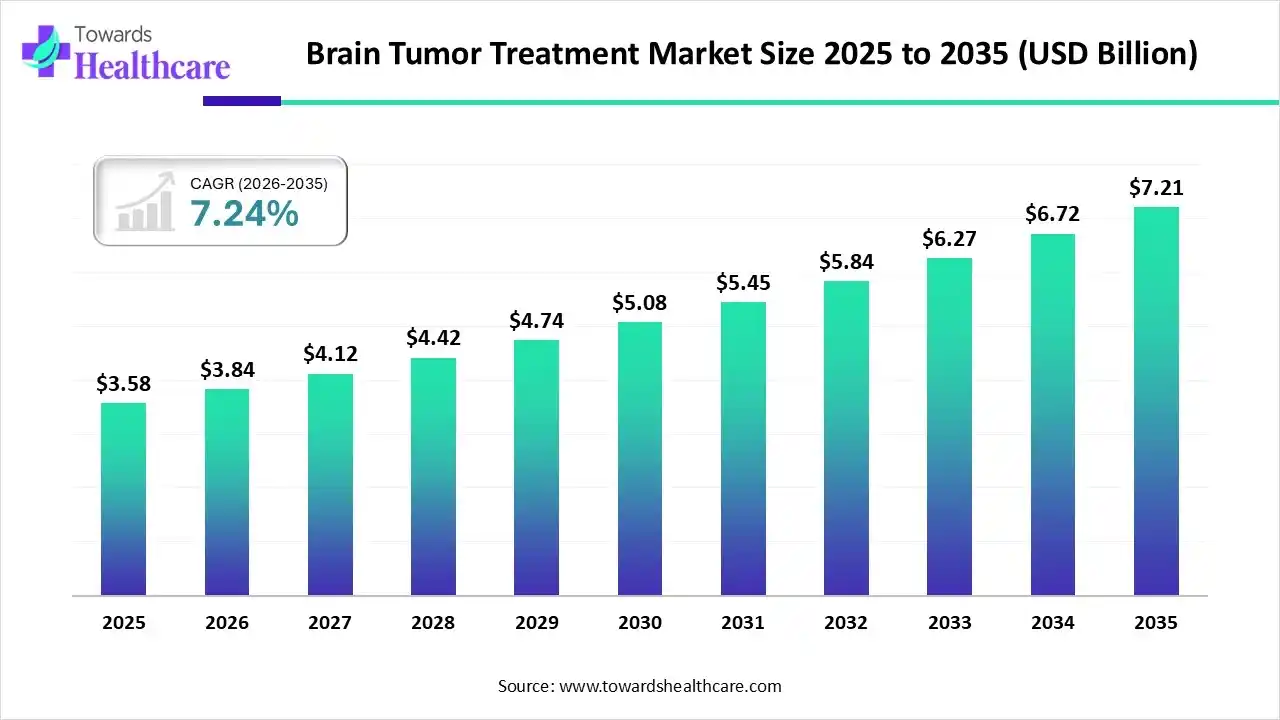
The global market is expanding rapidly due to rising brain tumor incidence and technological advances in surgery, immunotherapy, and targeted treatments.
| Key Elements | Scope |
| Market Size in 2026 | USD 3.84 Billion |
| Projected Market Size in 2035 | USD 7.21 Billion |
| CAGR (2026 - 2035) | 7.24% |
| Leading Region | North America |
| Market Segmentation | By Treatment Type, By Tumor Type, By Drug Class, By End Users, By Distribution Channel, By Region |
| Top Key Players | Merck & Co., Inc., Bristol-Myers Squibb, AstraZeneca, Bayer AG, Eisai Co., Ltd., Amgen Inc. |
Brain tumor treatment refers to medical and surgical approaches used to remove, control, or manage tumors in the brain, aiming to slow disease progression, relieve symptoms, and improve patient survival and quality of life. The brain tumor treatment market is growing due to a rising incidence of brain tumors and an aging population, increased awareness and early diagnosis, and rapid technological advances in targeted therapies, immunotherapies, and precision medicine. Higher healthcare spending and expanding R&D investments are also boosting demand for more effective and personalized treatment options.
Brain tumor treatment involves the diagnosis and management of benign or malignant tumors in the brain using a combination of surgery, radiation therapy, chemotherapy, targeted therapy, immunotherapy, and other advanced treatment approaches to improve survival and quality of life. The brain tumor treatment market is expanding due to the increasing incidence of primary and metastatic brain tumors, growing demand for personalized oncology care, and rising investment in neuro-oncology research. Key trends include the adoption of biomarker-guided therapies, minimally invasive neurosurgical techniques, and combination treatment strategies. Technological advancements such as AI-assisted imaging, robotic neurosurgery, proton beam therapy, and tumor treating fields (TTFields) are enhancing treatment precision. Future opportunities lie in gene therapy, cell-based immunotherapies, and precision medicine supported by expanding clinical trials and pharmaceutical innovation.
AI is transforming the brain tumor treatment market by enabling faster and more accurate diagnosis, improving imaging analysis, and supporting personalized treatment planning. Machine learning helps predict treatment response, optimize surgical precision, and accelerate drug discovery, leading to better outcomes, reduced costs, and increased adoption of advanced therapies.
Why Did the Surgery Segment Dominate in the Market in 2025?
The surgery segment dominated the brain tumor treatment market in 2025 due to its role as the primary and most effective option for tumor removal and diagnosis. Surgical intervention enables immediate reduction of tumor mass, symptom relief, and tissue sampling for accurate diagnosis. Advances in minimally invasive and image-guided neurosurgery further improved safety, precision, and patient outcomes.
Immunotherapy
The immunotherapy segment is expected to grow at the fastest CAGR in the market because breakthroughs in immune-based treatments like checkpoint inhibitors, CAR-T, and other immune-stimulating therapies are showing promising results, attracting substantial R&D investment and clinical interest. These therapies offer potential for better survival and fewer side effects versus conventional options, driving adoption and market growth.
How the Glioblastoma Segment Dominated the Brain Tumor Treatment Market in 2025?
The glioblastoma segment dominated the market in 2025 due to its high incidence, aggressive nature, and poor prognosis, which drives urgent demand for advanced treatment options. Patients typically require a combination of surgery, radiation, and drug therapy, resulting in higher treatment intensity and costs. Ongoing clinical research and a strong focus on novel therapies further supported the market growth.
Pituitary Tumors
The pituitary tumors segment is expected to grow at the fastest CAGR during the forecast period because increasing awareness and improved diagnostic techniques are leading to more early detections. Additionally, greater use of minimally invasive surgical procedures and advanced targeted therapies is expanding treatment options. Rising research activities and better healthcare access are further supporting accelerated adoption and market growth for pituitary tumor treatments.
Why Alkylating Agents Segment Dominated the Brain Tumor Treatment Market?
The alkylating agents segment led the market in 2025 due to their effectiveness in treating aggressive tumors such as glioblastoma. These drugs slow tumor growth, improve patient survival, and are widely used in standard chemotherapy protocols. Strong clinical adoption, proven efficacy, and ongoing enhancements in drug formulation have reinforced their position as the preferred therapy, maintaining their leading market share.
Targeted Therapy
The targeted therapy segment is expected to grow at the fastest CAGR in the market during the predicted period because these therapies focus on specific tumor biomarkers, improving treatment effectiveness, and reducing side effects. Increasing research and development, growing adoption of personalized medicine, and rising demand for advanced, precise treatment options are driving rapid market growth for targeted therapies.
Why Hospitals Segment Dominated the Brain Tumor Treatment Market?
The hospitals segment led the market because hospitals provide comprehensive care, including surgery, radiation, and advanced therapies under one roof. They have specialized neurosurgery units, skilled medical staff, and access to high-end equipment, ensuring effective treatment and patient monitoring. The availability of multidisciplinary care, high patient inflow, and preference for hospital-based treatments for complex brain tumors contribute to the market leadership.
Specialty Clinics
The specialty clinics segment is expected to grow at the fastest CAGR in the market during the forecast period due to the increasing focus on outpatient care, minimally invasive procedures, and personalized treatment. These clinics offer specialized services, advanced diagnostic tools, and quicker access to therapies, attracting more patients. Rising awareness, patient preference for convenient care, and expansion of clinic networks are driving this rapid growth.
What Made Hospital Pharmacies the Dominant Segment in the Brain Tumor Treatment Market in 2025?
The hospital pharmacies segment dominated the market in 2025 because they provide direct access to essential and high-cost medications required for complex treatments like surgery, chemotherapy, and targeted therapies. Their integration with hospital care ensures timely drug availability, proper storage, and administration under medical supervision. High patient inflow, established supply chains, and preference for in-hospital medication dispensing reinforced their leading position in the market.
Online Pharmacies
The online pharmacies segment is expected to grow at the fastest CAGR in the market during the forecast period due to increasing patient preference for home delivery, convenience, and easy access to medications. Rising digital adoption, telemedicine integration, and the ability to provide a wide range of specialty drugs with doorstep delivery are driving rapid growth in this segment.
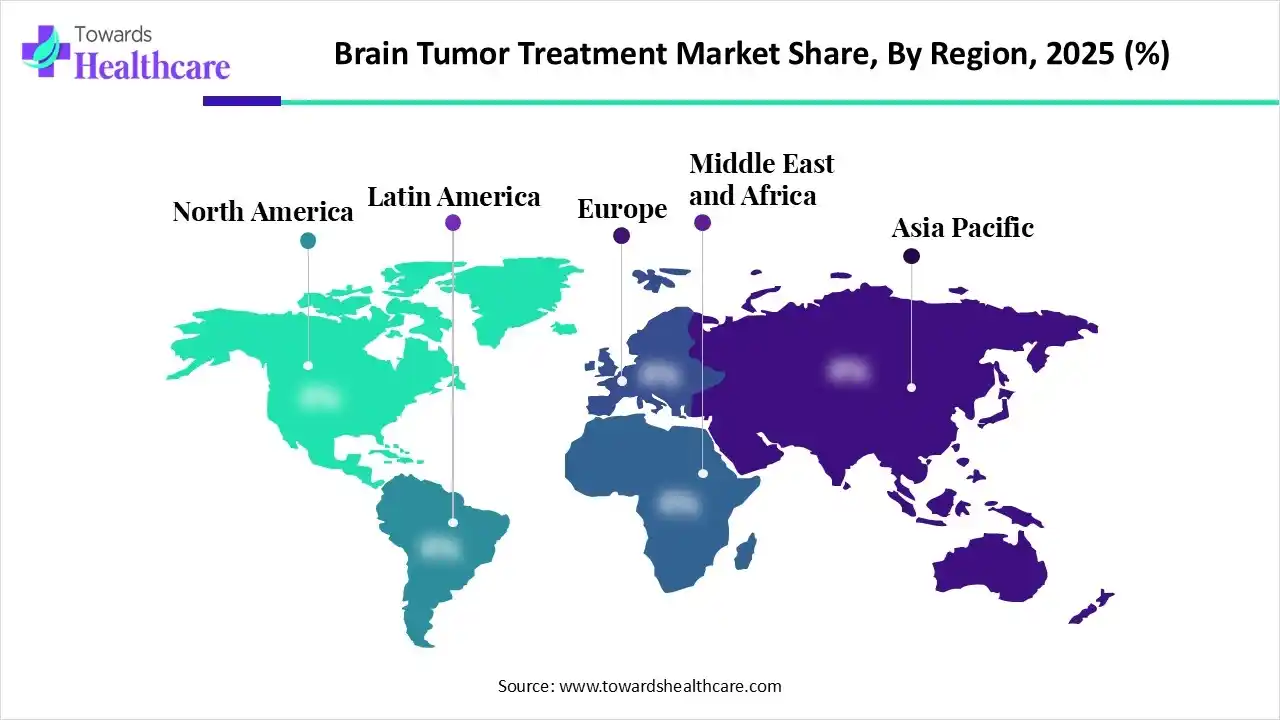
North America dominated the market in 2025 due to its advanced healthcare infrastructure, high adoption of innovative therapies, and strong presence of leading pharmaceutical and biotechnology companies. The region benefits from early diagnosis, widespread access to specialized hospitals, and significant investment in research and clinical trials. Favorable reimbursement policies and high healthcare spending further supported market leadership.
U.S. Market Trends
The U.S. led the brain tumor treatment market by capturing the largest revenue share due to high disease prevalence, advanced diagnostic and treatment facilities, and rapid adoption of innovative therapies. Strong investment in research and clinical trials, presence of major pharmaceutical companies, and availability of favorable reimbursement policies increased treatment access and spending. Additionally, higher healthcare expenditure and early use of advanced technologies contributed significantly to the country’s dominant market position.
Canada’s Expanding Neuro-Oncology Research Is Driving Brain Tumor Treatment Market Growth
Canada’s brain tumor treatment market is growing significantly due to increasing brain cancer incidence, strong investments in neuro-oncology research, and expanding access to advanced diagnostic and treatment technologies. The adoption of precision medicine, minimally invasive neurosurgery, targeted therapies, and proton radiation is improving clinical outcomes. Additionally, government-supported healthcare programs, active clinical trials, and collaborations between academic institutions and biotechnology companies are accelerating innovation and treatment availability.
Asia Pacific is anticipated to grow at the fastest CAGR in the market during the forecast period due to rising brain tumor awareness, improving healthcare infrastructure, and increasing access to advanced treatments. Growing healthcare expenditure, expanding patient population, rapid adoption of modern diagnostic technologies, and supportive government initiatives in countries like China and India are accelerating market growth across the region.
India Market Trends
India is anticipated to grow at the fastest CAGR in the market during the forecast period due to a large untreated patient base, improving affordability of therapies, and increasing availability of locally manufactured drugs. Expansion of private healthcare networks, growing clinical trial activity, and wider adoption of minimally invasive neurosurgical techniques are also supporting rapid market growth.
China’s Expanding Healthcare Investments Are Accelerating Brain Tumor Treatment Market Growth
China’s brain tumor treatment market is growing notably due to the rising incidence of brain tumors, increasing healthcare expenditure, and rapid expansion of oncology care infrastructure. Government support for cancer research, growing adoption of precision medicine, and wider availability of advanced imaging and neurological technologies are improving treatment outcomes. Additionally, increasing domestic pharmaceutical innovation and clinical trials activity are driving the development of novel brain tumor therapies.
Europe is anticipated to grow at a notable rate in the brain tumor treatment market during the forecast period due to strong government support for cancer care, well-established healthcare systems, and increasing adoption of advanced treatment technologies. Rising investment in research, expanding clinical trial activity, and growing use of targeted and immunotherapies are improving patient outcomes. Additionally, favorable reimbursement policies and increasing focus on early diagnosis across the region are supporting steady market growth.
UK Market Trends
The UK is anticipated to grow at a rapid CAGR in the brain tumor treatment market during the forecast period due to strong NHS support for cancer care, increasing adoption of innovative therapies, and rising investment in oncology research. Improved diagnostic services, expanding clinical trials, and faster regulatory approvals for advanced treatments are further driving market growth.
Germany’s Advancing Oncology Expertise Is Driving Brain Tumor Treatment Market Growth
Germany’s brain tumor treatment market is growing significantly due to its world-class healthcare infrastructure, strong focus on oncology research, and widespread adoption of advanced treatment technologies. The increasing use of precision medicines, robotic neurosurgery, targeted therapies, and proton beam therapy is improving patient outcomes. Additionally, robust pharmaceutical innovation, favorable reimbursement policies, and active participation in clinical trilas are accelerating the development and adoption of next-generation brian tumor treatments.
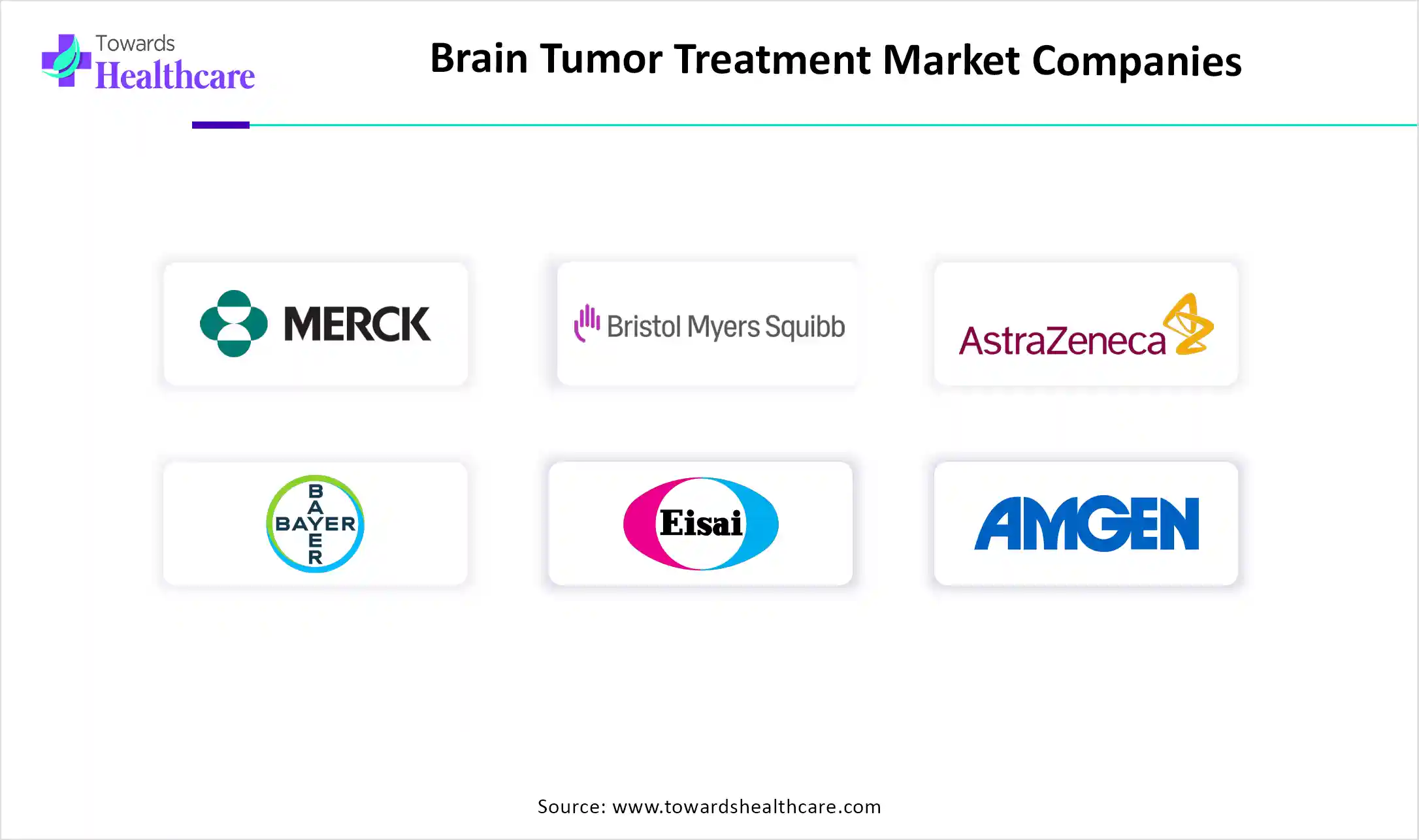
| Companies | Headquarters | Offerings |
| Merck & Co., Inc. | New Jersey, USA | Immunotherapies (e.g., Keytruda), targeted therapies, and oncology research for various cancers, including brain tumors |
| Bristol-Myers Squibb | New York, USA | Immunotherapies, CAR T-cell therapies, and checkpoint inhibitors are used in oncology treatments. |
| AstraZeneca | Cambridge, United Kingdom | Targeted therapies, biologics, and precision medicine solutions for solid tumors, including glioblastoma research. |
| Bayer AG | Leverkusen, Germany | Chemotherapy drugs, anti-angiogenic agents, and oncology R&D, including brain tumor therapies. |
| Eisai Co., Ltd. | Tokyo, Japan | Oncology-focused therapies, including glioblastoma treatments and targeted drugs in clinical trials. |
| Amgen Inc. | California, USA | Biologics, immuno-oncology therapies, and research in tumor-targeted treatments. |
By Treatment Type
By Tumor Type
By Drug Class
By End Users
By Distribution Channel
By Region
Speak with a healthcare analyst about your research, consulting, or platform needs.




 sales@towardshealthcare.com