
Find the Right Market Report
Search thousands of industry reports, market insights, and research studies in one place.
Search thousands of industry reports, market insights, and research studies in one place.

Pipeline Programs

CGT Companies Tracked

Manufacturing Facilities
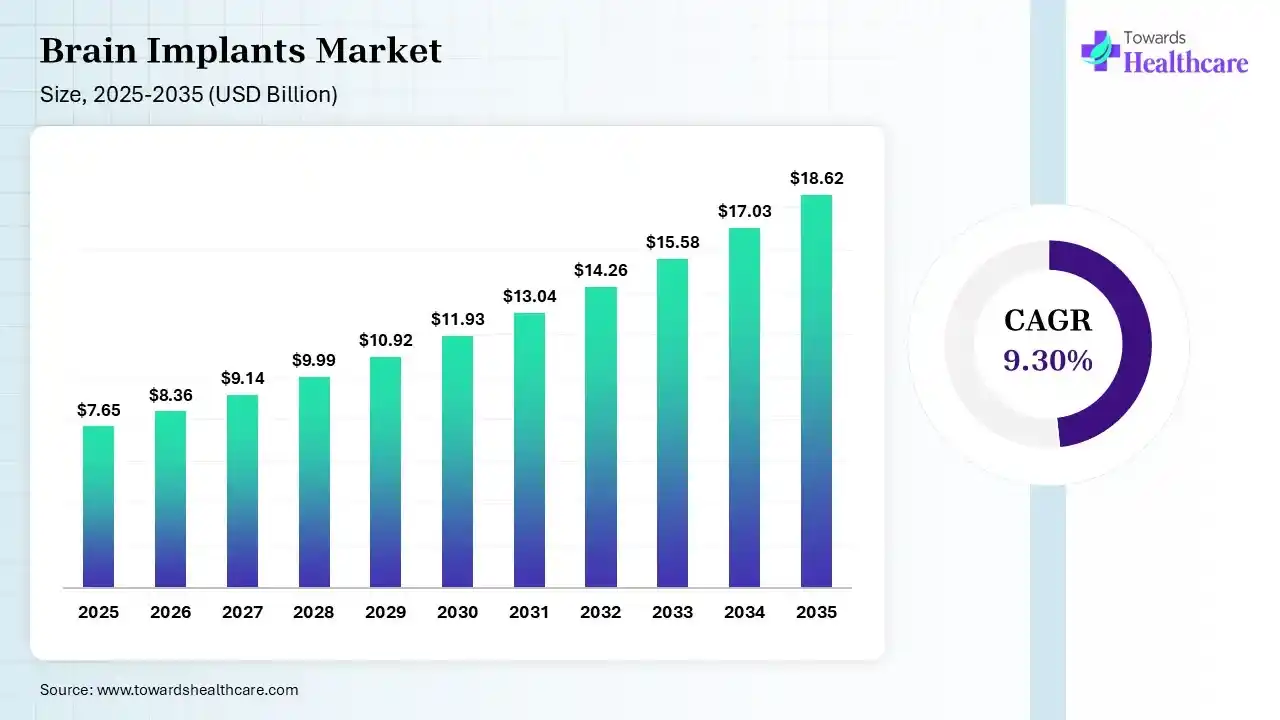
The global brain implants market size stood at USD 7.65 billion in 2025, grew to USD 8.36 billion in 2026, and is forecast to reach USD 18.62 billion by 2035, expanding at a CAGR of 9.30% from 2026 to 2035, as a result of the increasing adoption of advanced technology and rising prevalence of neurological disorders.
The brain implant market is witnessing significant growth as advancements in neuroscience and neurotechnology continue to push the boundaries of medical science. Brain implants, also known as neural implants or neuroprosthetics, are electronic devices that are surgically implanted in the brain to restore lost functions or enhance existing ones. These implants can interface directly with the brain's neural circuits, enabling communication and interaction between the brain and external devices.
The market for brain implants is primarily driven by the increasing prevalence of neurological disorders and the growing demand for innovative treatment options. Neurological disorders such as epilepsy, Parkinson's disease, and severe depression can severely impact a person's quality of life. Brain implants offer potential therapeutic solutions by modulating neural activity and restoring normal brain function. Moreover, advancements in neuroimaging techniques, such as functional magnetic resonance imaging (fMRI) and electroencephalography (EEG), have improved our understanding of the brain's complex neural networks. This knowledge has paved the way for the development of more sophisticated and targeted brain implant technologies.
The advent of advanced technologies such as artificial intelligence (AI) revolutionize the potential of brain implants. AI can improve signal-processing techniques, facilitating the interpretation of electrical signals in the brain. AI can be used to develop novel, advanced, and personalized implants based on a patient’s condition. AI can improve the accuracy, efficiency, and reliability of AI-driven neural implants. AI facilitates the safety, authenticity, and mental privacy of a patient’s brain. It can also simplify the data analysis of complex datasets. It can translate brain activity into digital words and facial expressions. Hence, AI-enabled brain implants can effectively treat neurological disorders, restore movements, and augment cognitive abilities, improving the patient’s quality of life.
Extensive research and development (R&D) and clinical trials play a crucial role in the brain implants market by driving innovation, ensuring safety and efficacy of devices, and expanding the applications of brain implant technologies. R&D efforts in the brain implants market focus on advancing the understanding of neurobiology, developing new materials and technologies, and improving the design and functionality of brain implant devices.
As reported in the study published in May 2023, Swiss researchers made a groundbreaking advancement in neurotechnology, as reported in the journal Nature. Their study unveils brain implants that create a "digital bridge" between the intentions of paralyzed patients and their physical movements. By bypassing injured sections of the spinal cord, these implants enabled a paralyzed individual named Mr. Oskam, aged 40, to regain the ability to stand, walk, and navigate a steep ramp using only a walker. This remarkable achievement holds promise for restoring mobility and provides hope for those living with paralysis.
A groundbreaking clinical trial has started in the United States, representing a significant milestone in neurotechnology. The trial focuses on the use of Synchron's Stentrode system, a brain implant that has the potential to restore communication abilities in individuals with severe paralysis. Through a minimally invasive procedure via the jugular vein, the implant is placed in the brain's motor cortex, allowing the transmission of brain signals to a connected computer. This innovative technology holds the promise of enabling paralyzed individuals to perform tasks like sending texts, emails, and online shopping. The initiation of this clinical trial in July 2022 signifies an extraordinary step towards turning science fiction into reality, bringing life-changing advancements to those with severe paralysis.
The rising prevalence of neurodegenerative disorders, including Alzheimer's disease and Parkinson's disease, is a significant factor driving the growth of the brain implant market. These disorders are characterized by the gradual deterioration of neuronal function, leading to cognitive and motor impairments in affected individuals. As the global population ages and the incidence of these diseases increases, there is a growing need for innovative solutions to address the symptoms and improve the quality of life for patients.
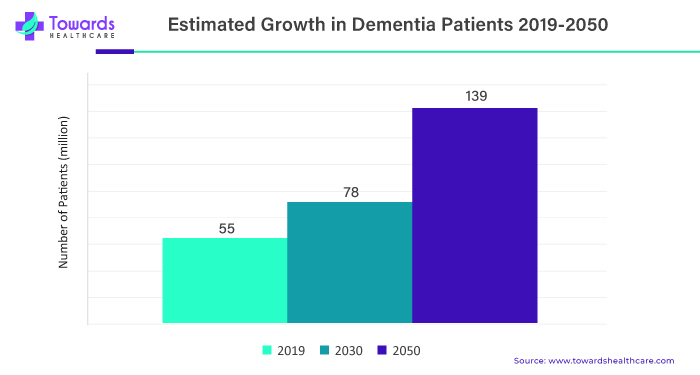
Brain implants offer potential therapeutic benefits by directly interfacing with the brain and modulating neural activity, thereby providing opportunities for restoring or enhancing cognitive and motor functions. The increasing recognition of the impact of neurodegenerative disorders and the demand for effective interventions are driving the development and adoption of brain implants as a viable treatment option.
Brain implants offer potential therapeutic options for managing and treating neurodegenerative disorders. For example, deep brain stimulation (DBS) is a widely used technique that involves implanting electrodes in specific regions of the brain to deliver electrical impulses. DBS has shown promising results in reducing motor symptoms and improving quality of life in patients with Parkinson's disease.
Additionally, brain implants can be used for cognitive enhancement and neurorehabilitation. For individuals with severe cognitive impairments, such as those resulting from stroke or traumatic brain injury, brain implants can help restore lost cognitive functions by bypassing damaged neural pathways and facilitating communication between brain regions.
The growing demand for advanced treatment options for psychiatric disorders is indeed a significant driver in the brain implant market. Psychiatric conditions like severe depression, obsessive-compulsive disorder (OCD), and post-traumatic stress disorder (PTSD) can have a profound impact on individual’s mental well-being and daily functioning. Unfortunately, some patients may not respond adequately to traditional therapies such as medications or psychotherapy.
Brain implants offer potential solutions for managing psychiatric disorders by modulating neural activity and restoring the balance of brain circuits. For example, deep brain stimulation (DBS) has shown promising results in treating treatment-resistant depression, providing relief to patients who have not responded to medication or psychotherapy. In addition, to cope with this growing demand market players are introducing advanced brain implant solutions for the benefit of patients suffering from neurological disorders.
Furthermore, advancements in brain-computer interface (BCI) technology have opened up new possibilities for communication and control for individuals with severe disabilities. BCIs can enable individuals with locked-in syndrome or spinal cord injuries to interact with their environment using their thoughts. These implants can decode neural signals and translate them into commands for external devices, such as prosthetic limbs or computer interfaces.
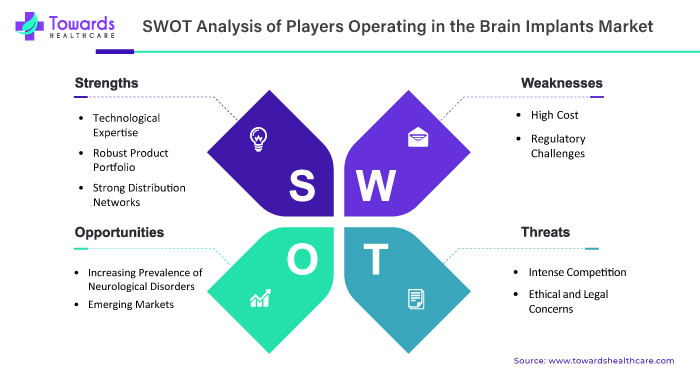
One of the major restraints in the brain implant market is the high cost associated with implantation procedures and long-term management. Brain implant surgeries are complex and require specialized equipment, skilled surgeons, and comprehensive post-operative care. These factors contribute to the overall high cost of the procedure, making it a significant barrier for many patients and healthcare systems.
The initial costs of implantation procedures, including pre-operative evaluations, surgical interventions, and hospital stays, can be substantial. Moreover, the long-term management and follow-up care for patients with brain implants add to the overall expenses. This includes regular check-ups, adjustments to stimulation parameters, and potential device replacements or upgrades.
Additionally, the reimbursement landscape for brain implant procedures and associated services can vary across different healthcare systems and regions. The availability of coverage and reimbursement options can impact patient access to these advanced treatments. Therefore, the high costs involved in brain implant procedures and the variability in reimbursement pose challenges to market growth.
| Table | Scope |
| Market Size in 2026 | USD 8.36 Billion |
| Projected Market Size in 2035 | USD 18.62 Billion |
| CAGR (2026 - 2035) | 9.30% |
| Leading Region | North America |
| Historical Data | 2020 - 2023 |
| Base Year | 2025 |
| Forecast Period | 2026 - 2035 |
| Measurable Values | USD Millions/Units/Volume |
| Market Segmentation | By product, By application, By region |
| Top Key Players | Neuralink, Medtronic, Boston Scientific Corporation, St. Jude Medical (Abbott), NeuroPace, Inc., Nevro Corporation, Synapse Biomedical Inc., Aleva Neurotherapeutics SA |
By product, the deep brain stimulators market held a dominant presence in the market in 2025. Deep brain stimulators (DBS) are electrodes that produce electrical impulses to treat movement disorders. Favorable regulatory policies and growing demand for extended applications boost the segment’s growth. DBS is used for treating multiple neurological disorders such as tremor, Parkinson’s disease, obsessive-compulsive disorder, and epilepsy. DBS can decrease the dose of medication and improve severe neurological symptoms. It acts by providing a cognitive boost to improve cognitive performance in people.
By product, the vagus nerve stimulators segment is anticipated to grow with the highest CAGR in the market during the studied years. Vagus nerve stimulators, also known as pacemakers for the brain, are devices that send electrical impulses to the vagus nerve. The device sends electrical signals along the left vagus nerve to the brainstem. It is mainly used to treat seizures and strokes. The growing research and development activities to find novel applications for these devices and technological advancements propel the segment’s growth. Researchers are currently investigating the role of vagus nerve stimulators in rheumatoid arthritis, bipolar disorders, and Alzheimer’s disease.
By application, the chronic pain segment led the global brain implant market in 2025. The rising incidences of stroke and amputations increase the demand for brain implants to treat chronic pain. In the U.S., more than 0.7 million people are estimated to have a stroke annually. Ongoing research demonstrates the role of brain implants in effectively relieving chronic pain in animals and humans. Implants give an idea of how pain is represented by brain activity and how to modulate that activity to relieve chronic pain.
By application, the Parkinson’s disease segment is projected to expand rapidly in the market in the coming years. The rising prevalence of Parkinson’s disease (PD) and its complexity necessitate the development and use of brain implants. PD is the second most common neurological disorder, predominantly affecting individuals over 65 years. Approximately 1 million people in the U.S. are reported to live with PD. Deep brain stimulation is the widely preferred implant procedure for PD.
In regional insights, North America dominates the brain implant market due to the presence of well-established healthcare infrastructure, significant investments in research and development, and a high prevalence of neurological disorders. The area is home to cutting-edge medical facilities, specialized clinics, and hospitals outfitted with modern technology. This makes it possible to diagnose, treat, and manage neurological disorders effectively, which increases the demand for brain implants.
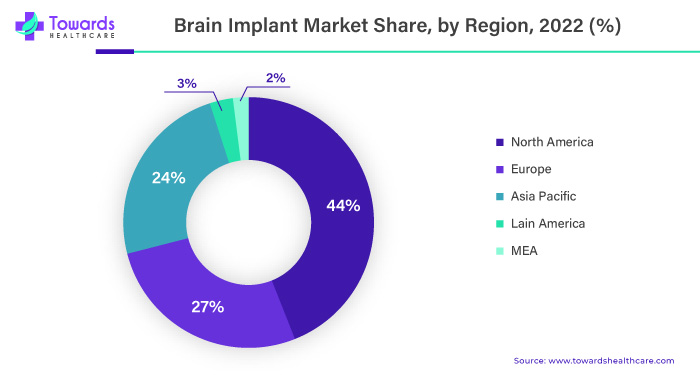
Additionally, research and development (R&D) in the medical sector, including neurology and neuroscience, is a major focus in North America. Significant investments are being made in the area's modern technologies, innovative treatments, and brain implant clinical trials. The focus on R&D encourages developments in the field and encourages the use of advanced brain implant technologies. The United States is a major market in the region, accounting for a significant market share.
The Asia Pacific region is expected to exhibit the fastest growth rate in the upcoming years. The rising geriatric population, increasing healthcare expenditure, and growing awareness about advanced neurological treatments are driving the demand for brain implants in this region. Countries like China and Japan are at the forefront of technological advancements and have a growing market share in the Asia-Pacific region.
The development of minimally invasive implantation techniques and wireless communication systems represents a significant opportunity in the brain implants market. Advancements in these areas can address some of the limitations and risks associated with traditional brain implant procedures. Minimally invasive techniques, such as using endoscopic or robotic-assisted approaches, have the potential to reduce surgical trauma, shorten recovery times, and improve patient outcomes. The development of smaller and more flexible implants, along with advancements in wireless communication and power delivery systems, can enhance the functionality and usability of brain implants.
By reducing the invasiveness and improving the user experience, these advancements can expand the potential applications of brain implants and attract a broader patient population. Additionally, the integration of artificial intelligence and machine learning algorithms can further optimize the performance of brain implants by enabling personalized therapies and real-time adaptive stimulation. Traditional brain implant procedures often involve invasive surgeries that require large incisions and can carry certain risks and complications. The development of minimally invasive techniques aims to reduce the invasiveness of these procedures. This can be achieved through smaller incisions, the use of specialized tools and imaging technologies, and advanced surgical approaches. Minimally invasive techniques can potentially lead to faster recovery times, reduced risk of complications, and improved patient comfort.
Strengths
Weaknesses
Opportunities
Threats
In August 2024, researchers at UC San Francisco developed a novel implantable device using adaptive deep brain stimulation (aDBS), employing AI to monitor and react to changes in a patient’s brain activity. Philip Starr, MD, Co-director of the UCSF Movement Disorders and Neuromodulation Clinic, commented that this is the future of deep brain stimulation for Parkinson’s disease. The researchers aim to improve DBS therapy by making it adaptive and self-regulating for long-term treatment.
By Product Type
By Applications
By Region
Speak with a healthcare analyst about your research, consulting, or platform needs.




 sales@towardshealthcare.com